Causes of Obesity
What are the Causes of Obesity?
There is usually not one specific cause for Obesity in patients. Obesity usually involves a combination of causes or risk factors, including:

Energy Imbalance:
Amount of energy or calories you consume is more than the amount of energy spent on your daily activities.
Inactive/Sedentary Lifestyle:
Inactive or sedentary lifestyle. Physical activity is no longer a part of your daily schedule - you may sit at a computer all day at work and work long hours.
Environmental & Socio-Economic factors:
Lack of safe places for exercising and walking & busy work schedules.
Poor food choices due to lack of education or income. Increased consumption of junk food or fast foods as they are more affordable and readily available.
Family history:
Genes such as FTO, PCSK1 & ENPP1 inherited from your family/parents have an effect on the amount of fat stored in your body.
For those with these genes, diet and exercise alone are simply ineffective and harder for those to maintain long term weight loss.
Excessive Appetite:
Part of the brain called the hypothalamus, may not function correctly & continues to stimulate hunger and food desire all the time, even when your body has plenty of energy reserves. This condition may also be genetic.
Emotional factors:
Unusual eating habits may occur when experiencing stress or anger. Comfort eating by turning to food to cope with stress, anxiety and low mood is very common.
Sometimes a serious or traumatic life event may trigger a person to revert back to using food to help feel better. Overeating will cause weight gain.
Age:
Aging results in muscle loss in the body which is even more if you are inactive. Muscle loss reduces the calorie consumption and consequently uncontrolled diet may increase the chances of becoming obese.
Disease conditions:
Hormonal disorders such as Hypothyroidism, Cushing’s Syndrome, and Polycystic Ovarian Syndrome may cause weight gain.
Medicines:
Certain medicines such as Corticosteroids, Antidepressants and Seizure Medications are known to decrease the rate of metabolism, increase your appetite and retain excess water in the body leading to weight gain
Effects of Obesity
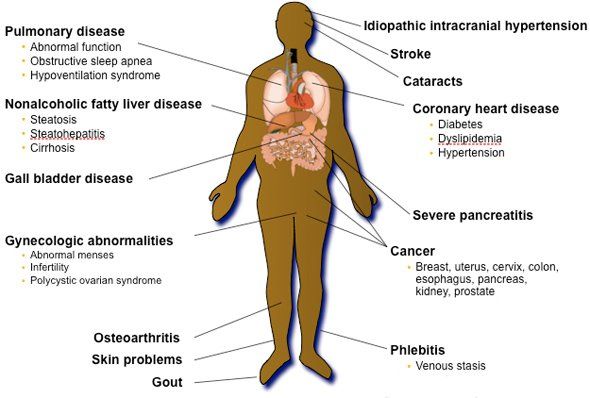
Obesity and excessive weight gain increases your risk of developing serious Chronic Diseases and serious Medical, Physiological and Psychological problems.
At least 80% of people with Obesity will develop at least one weight related medical condition listed below and 60% will develop at least three of these weight related conditions.
These serious conditions associated with Obesity can have a negative impact on your day to day living.
If left untreated, Obesity can lead to premature death.
Effects of Obesity on Psychological and Social Well-Being:
- Low confidence/self-esteem & Negative self-image
- Social isolation
- Discrimination
- Anxiety
- Depression
Effects of Obesity on Day-to-Day Living:
- Normal tasks become harder as difficult to move around
- Feeling tired all the time and tiring quickly
- Shortness of breath
- Joint pain (especially weight bearing knees & hip joints)
- Back Pain
- Snoring
- Public transport seats, aeroplane seats and cars may be too small for you
- You may find it difficult to maintain personal hygiene
Chronic Diseases and Medical Conditions Caused by Obesity
Chronic Diseases & Medical Conditions:
- Heart Disease
- Stroke
- Type 2 Diabetes
- Fatty Liver Disease
- Digestive Disorders (Gastroesophageal Reflux Disease)
- Cancer (breast, uterine, colon, pancreas, liver, prostrate, oesophagus, endometrial, kidney, thyroid)
- High Blood Pressure
- High Cholesterol
- Sleep Apnoea
- Arthritis
- Pregnancy Complications
- Gall Bladder Complications
- Urinary Incontinence