
This is paragraph text. Click it or hit the Manage Text button to change the font, color, size, format, and more. To set up site-wide paragraph and title styles, go to Site Theme.
Treating Obesity
If you wish to lose weight and maintain weight loss long term, it is important to modify your diet and be involved in physical activities to lose excess weight.
Weight loss is about burning more calories than you consume.
In other words, energy out must be greater than energy in.
If you don't use the energy you put into your body as food, then it will be stored, often as fat.
If you are still having trouble maintaining your weight, whilst on a modified, healthy diet and with physical activity, then you may discuss your
treatment options for Obesity with your GP or specialist.
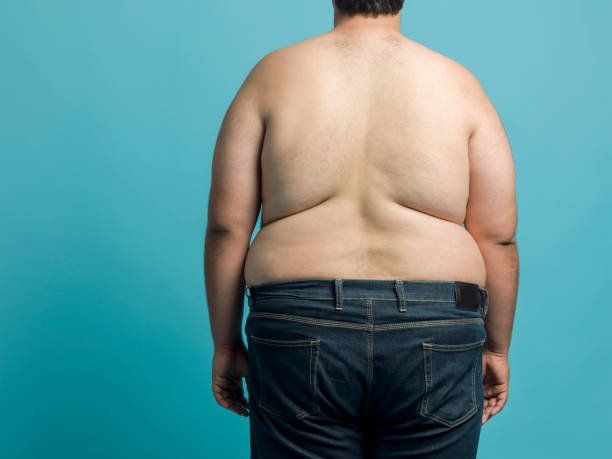
Non-Surgical & Surgical Options for Treating Obesity
There are many options available, both Non-Surgical and Surgical, to help you lose weight, maintain weight and for treating Obesity.
Whilst non-surgical and surgical treatments are effective and have many health benefits, each treatment is different and may not be suitable for all.
As with any treatment, there are also associated risks or side effects that should be discussed.
In order to make an informed decision about which treatment is right for you, it is important to
consult your GP or specialist to make a
thorough assessment and to discuss which options are
best suited
for treating your Obesity.
- Sleeve Gastrectomy
- Gastric Roux En Y Bypass
- Single Anastomosis Gastric Bypass
Non-Surgical Weight Loss Treatment Options
As anyone who has tried to lose weight will know, there are many
Non-Surgical Weight Loss options available, and most people will often have tried more than one method of weight loss.
Diet
Healthy eating habits
Behavioural Modification
Therapy teaching techniques to alter eating and physical behaviours
Exercise
Physical activity helps to control your weight by using excess calories that otherwise would be stored as fat
Weight Loss Medications
Prescription weight-loss medications such as Mounjaro, Wegovy, Ozempic, Saxenda & Trulicity, should only be used when there is increased medical risk because of your weight and not for cosmetic reasons.
As with any prescription medications, there are side effects and these medications should only be prescribed and monitored by a trained GP or specialist.
Surgical Weight Loss Treatment Options
Weight Loss Surgery for Obesity promotes weight loss as it changes the normal digestive process by decreasing the quantity and or absorption of nutrients and thereby reducing the calorie intake.
Surgical Weight Loss Options such as the Gastric Sleeve, Gastric Band and Gastric Bypass have been practiced in Australia for many years now and have been proven to decrease your chance of obesity-related health risks & co-morbidities, improve overall health and have long lasting weight loss results.
For those who have been unsuccessful in maintaining their weight loss by trying all Non-Surgical Weight Loss options, then it is highly recommended that you discuss Surgical Weight Loss options with a qualified Surgeon to properly assess your medical history, to discuss whether you are a candidate for surgery and which procedure would be best suited to you and the benefits these procedures will have to your overall health long term.
Laparoscopic Sleeve Gastrectomy
Otherwise known as Gastric Sleeve, involves permanently removing the lateral 2/3 of the stomach with a stapling device.
This reduces the size of the stomach from the size of a football to the size of banana.
The holding capacity of the stomach is reduced from about 1.5-2 Litres of food and liquid down to about 200-250mls.
Laparoscopic Roux En Y Gastric Bypass
Otherwise known as Gastric Bypass, involves creating a small stomach pouch (residual stomach capacity of 30-50mls) to restrict food intake.
A Y-shaped section of the small intestine is attached to the pouch to allow food to bypass the lower stomach, the duodenum and the first portion of the jejunum
This bypass reduces the absorption of food and nutrients from the first 150-200cm of the intestine, thereby reducing the calorie intake.
Laparoscopic Single Anastomosis Gastric Bypass
Otherwise known as Mini Bypass, involves the division of the upper part of the stomach into a tube, similar to the top three-quarters of a sleeve and then joined to a loop of intestine.
The top of the stomach is stapled to form a thin tube (30ml to 50ml in size).
The thin tube becomes the new, smaller stomach and is completely separate to the rest of the stomach.
Non-Surgical Vs Surgical Weight Loss Options
While Non-Surgical Weight Loss methods can work, more than 95% of people regain the weight they lose within a few years as they find it too difficult to adhere to diets and exercise programs or too costly to continue with medications.
There have been landmark studies published highlighting the overall health benefits of Surgical Weight Loss procedures and comparing these to Non-Surgical options.
Numerous
Research studies throughout the world have
compared Non-Surgical methods (dieting & exercise alone)
with Surgical methods and have
proven Weight Loss Surgery to be the most effective and sustainable method of weight loss.