
Weight Loss Medications
Weight Loss also known as Anti-Obesity Medications have been available in Australia and throughout the world for several decades.
These medications including oral and injectable medications work in different ways to reduce or control your appetite.
In Australia, Weight Loss Medications can be prescribed by doctors such as General Practitioners, Endocrinologists, Bariatric Physicians and Bariatric Surgeons.
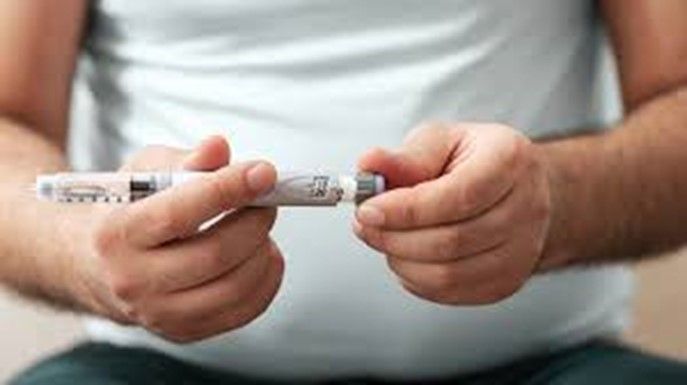
Weight Loss Medications (GLP1 Agonist) may be prescribed by a doctor when a patient has the following:
- BMI >27 with comorbidities
- BMI >30 with no comorbidities
- Not a candidate for surgery
- Preoperatively for BMI >60
- After Weight Loss Surgery, if not on expected weight loss curve
- Weight regain post Weight Loss Surgery
How do Weight Loss Medications work?
Weight Loss Medications including oral and injectable medications work in different ways to reduce or control your appetite. Most available weight-loss medications are "appetite-suppressant" medications and promote weight loss by decreasing appetite or increasing the feeling of being full.
Prescription weight-loss medications should be used only when there is increased medical risk because of your weight and not for cosmetic reasons.
It is important that you discuss with your GP or a specialised Doctor which medication may be most suitable for you.
These medications should be taken with a combination of a
healthy diet,
healthy eating behaviours and
regular physical activity.
As with any prescription medications, the effect of the Weight Loss Medication wears off once the medication has ceased and there are some potential side effects that may vary depending on yourself and on the product.
Most Weight Loss Medications are not PBS listed and carry a significant cost.
What are the different types of Oral Form Weight Loss Medications?
There are different types of Weight Loss Medications available.
Some medications are in an
oral tablet form
and some are in an
injectable form.
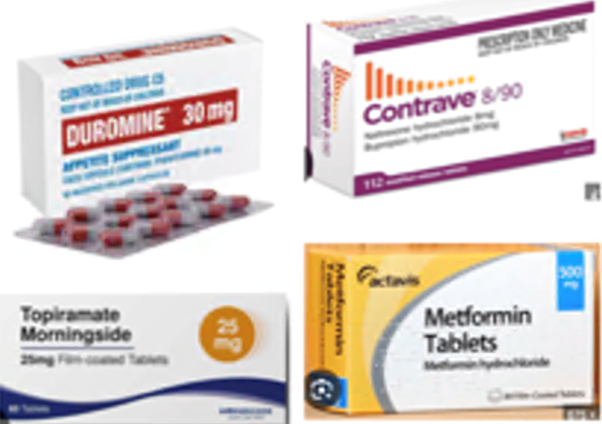
Oral Tablets
Medications such as Duromine, Topiramate, Contrave & Metformin are taken in an oral tablet form and work in different ways according to the particular medication.
Generally, these medications reduce a patient's appetite and may reduce cravings.
A Guide: How to use types of Oral Form Weight Loss Medications
Duromine
(Phentermine)
Helps Sweet Craving and Fatigue
Dosage: 15–30 mg weekly
Expected weight loss: 5–10% total weight loss over 12 weeks (Kang et al. 2010)
Not PBS listed
Contrave (Naltrexone/Bupropion)
Helps Snacking and Craving
Dosage: 8 mg/90 mg daily, increasing up to 4 tablets per day
Expected weight loss: 5.4% total weight loss over 56 weeks (Greenway et al. 2010)
Not PBS listed
Topamax
(Topiramate)
Helps Sweet Craving and Headaches
Dosage: 25–200 mg daily
Expected weight loss: 5% total weight loss over 24 weeks (Bray et al. 2003)
TGA approved for migraines and epilepsy, not PBS listed for weight loss
Metformin
Weight Regain from Mental Health Medications
Dosage: 500mg/day
What are the different types of Injectable Weight Loss Medications?
Injectables (GLP1 Agonist)
Injectable medications such as Trulicity, Saxenda, Ozempic, Wegovy & Mounjaro mimic certain GUT Hormones (like GLP1) that control appetite and how we feel when we eat.
They often cause patients to snack less and eat smaller portions.
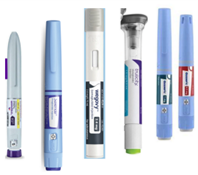
A Guide: How to use types of Injectable Form Weight Loss Medications
Mounjaro (Tirzepatide)
Hunger Control & Portion Control
Dosage: 2.5–15 mg weekly
Expected weight loss: 15–20.9% total weight loss over 72 weeks
(Surmount Trial)
TGA approved for type 2 diabetes
Not PBS listed for weight loss
Wegovy (Semaglutide)
Hunger Control & Portion Control
Dosage: 0.25–2.4 mg weekly
Expected weight loss: 14.9–18.5% total weight loss over 68–208 weeks
(Step 1–4, 5, 8, and Select Trial)
TGA approved for weight loss
Not PBS listed
Ozempic (Semaglutide)
Hunger Control & Portion Control
Dosage: 0.25–1 mg weekly
Expected weight loss: 6.5% total weight loss over 40 weeks
(Sustain 7 Trial)
PBS listed for type 2 diabetes
Not PBS listed for weight loss
Saxenda (Liraglutide)
Hunger Control & Portion Control
Dosage: 0.6–3 mg daily
Expected weight loss: 6.4–8% total weight loss over 56–68 weeks
(Step 8, Scale, and Leader Trial)
TGA approved for weight loss
Not PBS listed for weight loss
Trulicity (Dulaglutide)
Dosage: 1.5 mg weekly
Expected weight loss: 3% total weight loss over 40 weeks
(Sustain 7 Trial)
TGA approved for weight loss
PBS listed for type 2 diabetes
Advantages of Weight Loss Medications
Weight Loss Injectable Medications (GLP1 Agonist) such as Ozempic, Wegovy, Mounjaro, Saxenda and Trulicity may have the following positive effects on your body and benefits to your health.
However, results will differ depending on the individual and effects may cease once medications are stopped.
Positive Effects on your Body
- Decreased appetite
- Decreased food intake
- Increased Satiety
- Decreased body weight
- Increased Insulin
- Decreased hyperglycaemia
- Increased Insulin sensitivity
- Decreased gastric emptying - slower emptying of stomach
Positive Benefits to your Health
- Decreased death from cardio-vascular disease
- Decreased incidence of heart attack
- Decreased incidence of stroke
- Decreased blood pressure
- Decreased fatty liver disease
- Decreased inflammation
- Decreased body weight
Disadvantages of Weight Loss Medications
Disadvantages of using Weight Loss Medications which will vary depending on the type of medication and on the individual.
The most common disadvantages of using these types of drugs are:
Not PBS listed
Most Weight Loss Medications are not PBS listed and carry a significant cost
Cost
The high cost associated with taking Anti-Obesity Medications long term often leads to many patients having to stop these medications
Effect wears off
As with certain medications, the effect of Weight Loss Medications may diminish over time in some patients
Weight Regain
Many patients regain their lost weight within 12 months of ceasing medications
Not sustainable
Up to 1/3 patients cease these medications after 1 month in some practices due to cost or side effects & up to 2/3 patients cease after 3 - 6 months in some practices due to cost or side effects
Not managed by a Doctor
Patients are more likely to cease medications if not prescribed or managed by a specialist
Side Effects
Weight Loss Medications may need to be ceased if certain side effects occur
Possible side effects and when to avoid Weight Loss Medications
As with any medication, there are possible adverse reactions or side effects associated with taking Weight Loss drugs.
Please consult your doctor before taking any type of Weight Loss medications and if any side effects occur.
Common Side Effects:
- Gastrointestinal Distress such as nausea, vomiting, diarrhea, constipation, bloating and heartburn
- Early Satiety
- Abdominal Pain
- Hair Loss
- Fatigue, Headaches, Dizziness
- Delayed Gastric Emptying
- Loss of Muscle
Serious Potential Side Effects:
- Pancreatitis
- Kidney issues
- Gallstones
- Thyroid C cell tumours
- Acute Kidney Injury
- Hypoglycaemia
- Blurred Vision
- Mood Changes
Please avoid if you present with the following:
- Medullary Thyroid Carcinoma, MEN2
- History of Pancreatitis
- Severe GI disorders (eg. Gastroparesis)
- Pregnancy
How much do Weight Loss Medications Cost?
Most Weight Loss Medications are not PBS listed and carry a significant cost.
Please see below for a guide on the approximate dosage and costs of both oral and injectable weight loss medications in Australia.
| Oral Medication | Dose | Trial Duration | % Total Weight Loss | PBS Subsidy | Estimated Cost (Private) | Annual Cost (Private) | Trial |
|---|---|---|---|---|---|---|---|
| Duromine | 15mg - 30mg/ week | 12 weeks | 5% - 10% | No | $90 - $170 | $1,080 - $2,040 | Kang et al 2010 |
| Contrave | 8mg/90mg/ day | 56 weeks | 5.4% | No | $249 | $2,988 | Greenway et al 2010 |
| Topamax | 25mg - 200mg/ day | 24 weeks | 5% | No | $15 - $31 | $180 - $372 | Bray et al 2003 |
| Injectable Medication | Dose | Trial Duration | % Total Weight Loss | PBS Subsidy | Estimated Cost (Private) | Annual Cost (Private ) | Trial |
| Mounjaro | 2.5 mg - 500mg/week | 72 weeks | 15% - 20.9% | No | $285 - $719/month | $3,420 - $8,628 | Surmount |
| Wegovy | 0.25 - 2.4mg/ week | 68 - 208 weeks | 14.9% - 18.5% | No | $345 - $645/month | $4,140 - $7,740 | Step 1,3,4,8 |
| Ozempic | 0.25 mg - 1 mg/ week | 40 weeks | 6.5% | No, Type 2 Diabetes Mellitus only | $130 - $200/month | $1,560 - $2,400 | Sustain 7 |
| Saxenda | 0.6 mg- 3 mg/ day | 56 - 68 weeks | 6.4% - 8% | No | $400 | $4,800 | Step 8, Scale & Leader |
| Trulicity | 1.5 mg/ week | 40 weeks | 3% | No, Type 2 Diabetes Mellitus Only | $150 | $1,800 | Sustain 7 |