
Abdominal Wall Hernias
A Hernia is a bulge or protrusion of an organ or fatty tissue through a weakened area in the muscle or connective tissue in which the organ is enclosed.
A hernia can develop in any part of the body. However, the muscles of the abdominal wall are most commonly affected.
A hernia can usually be diagnosed by physical examination (for example: for inguinal hernia, a lump can be seen or felt in the groin).
Ultrasound and CT scans may be used to diagnose hernias.
Symptoms of Abdominal Wall Hernias
The main abnormality patients notice is the appearance of a lump (a swollen area) in the region involved. It is seen as a bulge over the skin. Often the lump is not felt when the person is lying down, it becomes prominent on standing and particularly on straining.
Some hernias can cause discomfort and less commonly pain. The discomfort or pain associated with an abdominal wall hernia occurs usually during exertion or after exertion.
Hernias are more common in certain parts of the body. Hernias occur most commonly between the area of your rib cage and groin, such as the:
- Groin
- Belly button area
- Any place where you have had an incision from a previous surgery.
Types of Hernia
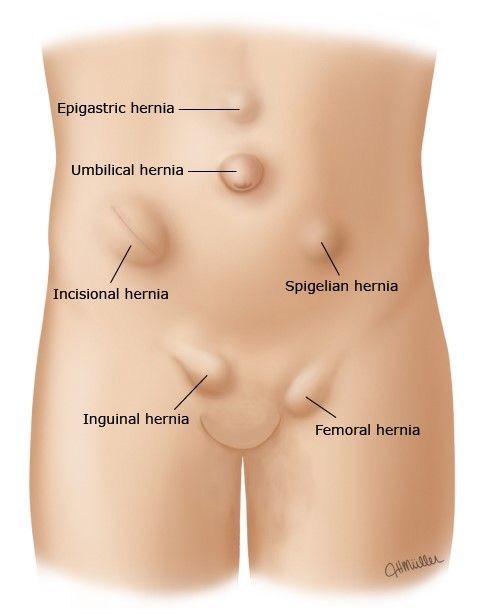
There are different types of Abdominal Wall Hernias based on their location.
The most common types are listed below.
- Inguinal
- Femoral
- Incisional
- Umbilical
- Hiatal
Inguinal Hernia
Inguinal hernia appears as a bulge in the groin or scrotum, occurring more commonly in men than women. Fat or part of the small intestine or large intestine may protrudes through the lower abdominal muscle into the groin.
Femoral Hernia
Femoral hernia appears as a bulge in the upper thigh.
Fat or a loop of intestine, or another part of the abdominal contents protrudes through a channel called the "femoral canal"(a tube-shaped passage at the top of the front of the thigh).
This type of hernia tends to occur in older people and is more common in women than in men.
Incisional Hernia
Incisional hernia occur at the site of a scar if you have had previous abdominal surgery. Tissue protrudes through a previous surgical wound, which becomes structurally weak.
Umbilical Hernia
Umbilical hernia is a small bulge around the umbilicus (belly button).
Fat tissue or part of the intestine protrudes through the abdominal muscle near the belly button.
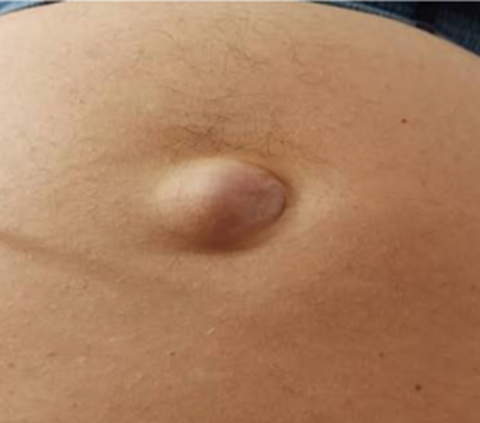
Hiatal Hernia
Part of the upper stomach protrudes through an opening in the diaphragm into the chest region.
Hernia Treatment
Surgical repair is recommended for most hernias. Surgery aims at closure and repair of the muscle wall through which the hernia protrudes.
Indications for surgery for Abdominal Wall Hernia include:
- Pain or discomfort
- Risk of leading to intestinal obstruction if the intestine is caught in the hernia and becomes narrowed
- Risk of becoming strangulated where the blood supply to the intestine is compromised.

Hernia Surgery may be performed as an:
- Open Surgery
- Laparoscopic Surgery - Keyhole surgery depending on the types of hernia present.
Open Hernia Surgery
Open surgery, also called Herniorrhaphy, for hernia can be done under general or local anaesthesia. An incision of about 3-10cm long (depending on the size of the hernia) to view and access the surgical site.
Your surgeon pushes abdominal fat or the part of the intestine that protrudes back into its normal position and repairs the weakened muscle layer by sewing the edges of the healthy muscle wall together.
A synthetic mesh is often placed and sewn over the weakened area to provide additional support and strength, by a procedure called hernioplasty.
The incision is closed after the procedure using dissolvable stitches.

Following surgery:
- You can take a shower within 24 hours of the procedure
- You can go home the day after the procedure
- Should avoid driving while taking pain killers as they induce drowsiness
- You can resume daily activities slowly while strenuous activities should be resumed only after consultation with your surgeon
- You can resume all normal activities after 6 weeks
Risks and Complications
Like most surgical procedures, hernia repair is associated with the following risks and complications:
- Reaction to anaesthesia
- Infection
- Bleeding at operation site
- Nerve damage and numbness of skin
- Damage to surrounding tissue
Although the recurrence of hernias is seen in less than 5% of patients after surgery, you would need to follow preventive measures.
Laparoscopic Hernia Surgery
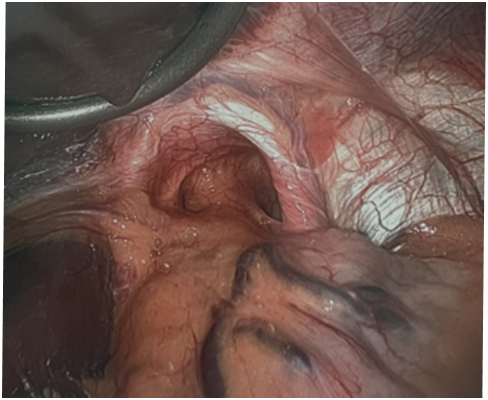
Laparoscopic hernia surgery is a surgical procedure in which a laparoscope is inserted into the abdomen through a small incision.
The laparoscope is a small fiber-optic viewing instrument attached with a tiny lens, light source, and video camera.
Laparoscopic surgery is performed in a hospital operating room under general anesthesia. The procedure involves the following:
- A camera attached to the laparoscope displays the image of the abdominal cavity on a screen.
- The surgeon makes three small incisions over the abdomen to insert the balloon dissector and trocars (keyholes).
- A deflated balloon along with the laparoscope is inserted and the balloon is inflated with a hand pump under direct vision.
- Once the trocars (key holes) are placed, the keyhole instruments are then inserted to repair the hernia.
- A sheet of mesh is inserted through the top keyhole and positioned and fixed in the abdominal wall to reinforce the repair and help prevent recurrent hernias. After completion of the repair the CO2 gas is evacuated and the trocars are removed and the tiny incisions are closed and dressed with a sterile bandage.
Indications for laparoscopic hernia repair over open repair may include small hernias and bilateral hernias.
Contraindications specific to laparoscopic hernia surgery include non-reducible inguinal hernia and previous peritoneal surgery
Following Laparoscopic Hernia Surgery you may:
- Take Pain medication as directed.
- Remove the bandage after 1 week
- Have swelling in the groin, at the site of hernia may occur due to serum accumulation in the cavity left by reducing the hernial sac.
- Have Bruising usually appears in the genital area, which is not painful and disappears over 1-2 weeks.
- Be able to drive usually in 1-2 weeks time and resume normal activities when comfortable unless otherwise instructed.
- Make a follow up visit approximately 2 weeks after surgery to monitor your progress.
Risks and Complications
Specific complications of laparoscopic hernia surgery may include
- local discomfort and stiffness,
- infection,
- damage to nerves, blood vessels, and bladder
- Bruising, and blood clots,
- wound irritation and
- urinary retention.
Advantages of Laparoscopic Hernia Surgery
- Less post-operative pain with smaller incisions and faster recovery
- No further incisions required for patients with hernias in both groins (bilateral hernia)
- Ideal method for patients with small and bilateral hernias